
In the world of technology and security, words matter.
Using the wrong term can make you look unprofessional or, worse, cause confusion.
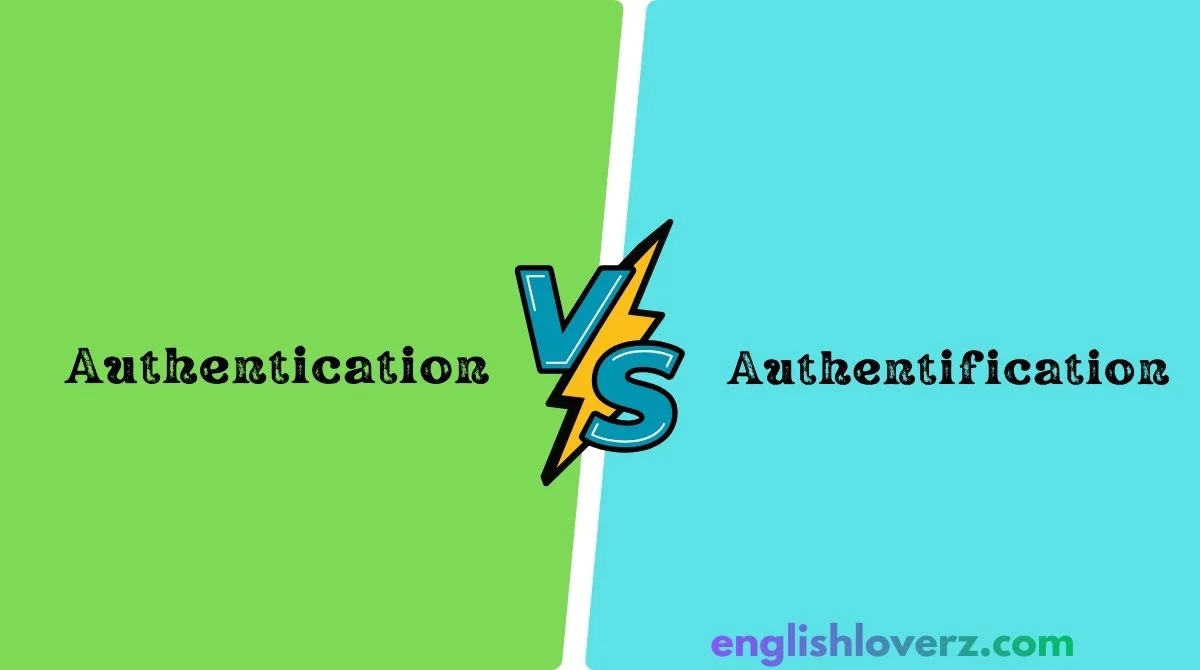
One of the most common mistakes is mixing up “authentication” and “authentification.” While they sound similar, only one is correct in U.S. English.
Let’s break down the origins, meanings, and practical significance of these terms, especially in the digital age.
Why This Confusion Matters
Imagine a company’s cybersecurity policy accidentally uses “authentification” instead of “authentication.”
Even if employees understand the meaning, search engines, legal documents, and international teams might misinterpret the term.
Clear, precise language prevents errors, ensures professional credibility, and reinforces digital security practices.
The confusion might seem trivial, but in tech and cybersecurity, clarity is critical.
Understanding “Authentication”
Authentication is the process of verifying that someone or something is genuine. In simple terms, it’s confirming “who you say you are.”
For example:
- When you log in to your email, entering your password is an authentication step.
- When you unlock your phone with a fingerprint, that is also authentication.
Key Takeaway:
Authentication is the only correct term in English. It represents identity verification, security measures, and digital access protocols. Using the correct term matters for clarity and professionalism.
Understanding “Authentification”
Authentification is often mistakenly used in English. Technically, it is not recognized in standard U.S. English dictionaries. Its presence is primarily due to French influence, where “authentification” is the correct term.
Why It’s Considered Incorrect:
- It doesn’t appear in authoritative English dictionaries like Merriam-Webster or Oxford.
- Its use can confuse readers in professional and technical contexts.
Where It Still Appears:
- French technical manuals and translations
- Some older or poorly edited English articles
While it occasionally shows up in English texts, it’s best avoided to maintain accuracy.
Linguistic and Historical Roots
Etymology of “Authentication”
The word comes from the Greek “authentes” meaning “one acting on their own authority” and Latin “authenticate”, meaning “to make genuine.” Over centuries, it entered English with the sense of verifying truthfulness or legitimacy.
Etymology of “Authentification”
This term evolved under French influence. In French, “authentification” is grammatically correct and widely used. However, English didn’t adopt it formally, and the term remains a common misconception in English texts.
The French Connection
Many English speakers encounter “authentification” in French tech documents, leading to inadvertent adoption. Understanding the linguistic origin helps prevent mistakes.
Why People Confuse the Two Terms
Several factors contribute to this confusion:
- Spelling similarity – Both start with “authent-,” making them easy to mix up.
- French influence – French technical literature uses “authentification.”
- Tech community misuse – Forums, blogs, or older articles sometimes perpetuate the incorrect term.
Correct Spelling in U.S. English:
A simple way to remember:
Mnemonic: “Authentication has ‘cat’ inside. Remember the cat is real.”
Avoid “authentification” in all professional English writing.
Authentication in the Digital World
In today’s digital landscape, authentication is more than just a word; it’s a fundamental security practice.
Importance for Security
Proper authentication ensures that sensitive information, accounts, and digital assets are only accessible by authorized users. Failure to implement robust authentication can lead to data breaches, identity theft, and financial loss.
Core Authentication Factors
Authentication usually relies on three main factors:
| Factor | Description | Example |
|---|---|---|
| Something you know | Knowledge-based | Password, PIN |
| Something you have | Possession-based | Security token, smart card |
| Something you are | Inherence-based | Fingerprint, facial recognition |
Each factor strengthens security and reduces the likelihood of unauthorized access.
Common Authentication Methods
Password-Based Authentication
Passwords are the most common authentication method.
Pros: Simple, widely supported.
Cons: Vulnerable to phishing, brute-force attacks, and poor user habits.
Two-Factor Authentication (2FA)
Adds a second verification step.
Example: A password + SMS code or authenticator app.
Why it works: Even if a password is compromised, the second factor prevents access.
Multi-Factor Authentication (MFA)
Uses two or more factors.
Example: Password + fingerprint + hardware token.
Benefits: Significantly reduces unauthorized access risk.
Biometric Authentication
Uses physical traits for verification:
- Fingerprints
- Facial recognition
- Iris or voice scans
Pros: Difficult to fake, convenient.
Cons: Privacy concerns, potential errors, high implementation cost.
Token-Based Authentication
Involves hardware or software tokens:
- Hardware token: USB device or key fob
- Software token: Time-based code generator apps like Google Authenticator
Benefit: Tokens generate unique codes, enhancing security without relying solely on passwords.
Real-World Case Studies
Case Study: The 2019 Twitter Hack
Weak password and lack of multi-factor authentication allowed hackers to access high-profile accounts. Result: financial fraud, reputational damage, and data exposure.
Lesson: Robust authentication, including MFA, could have prevented the breach.
Case Study: Corporate VPN Breaches
Many businesses faced data leaks due to employees using weak passwords. Companies implementing MFA experienced 80% fewer security incidents.
Authentication and User Experience
Authentication is a balancing act. Too strict, and users get frustrated. Too lenient, and security risks skyrocket.
For Businesses
- Adopt user-friendly methods: biometric logins, single sign-on (SSO).
- Educate users on strong password practices.
Impact on Customers and Employees
Good authentication enhances trust, reduces support tickets, and prevents unauthorized access.
The Lingering Misuse of “Authentification”
Even in 2025, some websites, blogs, and technical documents still use “authentification.” While minor in casual contexts, it’s unprofessional in corporate, educational, or international tech materials. Using the correct term consistently reinforces credibility.
FAQs
What is the difference between authentication and authentification?
Answer: Authentication is the correct English term meaning identity verification. Authentification is incorrect in English and mainly used in French.
Why do some people use “authentification” in English?
Answer: French influence and spelling similarity cause the confusion, but it’s not standard English.
What are the main types of authentication?
Answer: Password-based, two-factor (2FA), multi-factor (MFA), biometric, and token-based authentication.
How does authentication improve security?
Answer: It ensures only authorized users access accounts or sensitive data, preventing breaches and fraud.
Can authentication affect user experience?
Answer: Yes, overly strict authentication can frustrate users, while weak authentication risks security.
Final Takeaways
- Authentication is the correct term in U.S. English.
- Authentification exists in French but should be avoided in English.
- Strong authentication practices are vital for digital security and user experience.
- Multi-factor and biometric methods provide the best protection.
- Correct terminology reflects professionalism and prevents confusion.